

Discover how IT problems affect OCT imaging and diagnostics in retina clinics — and how Tampa Bay practices can improve performance with specialized IT support.
Your Imaging Systems Are Only as Good as Your IT
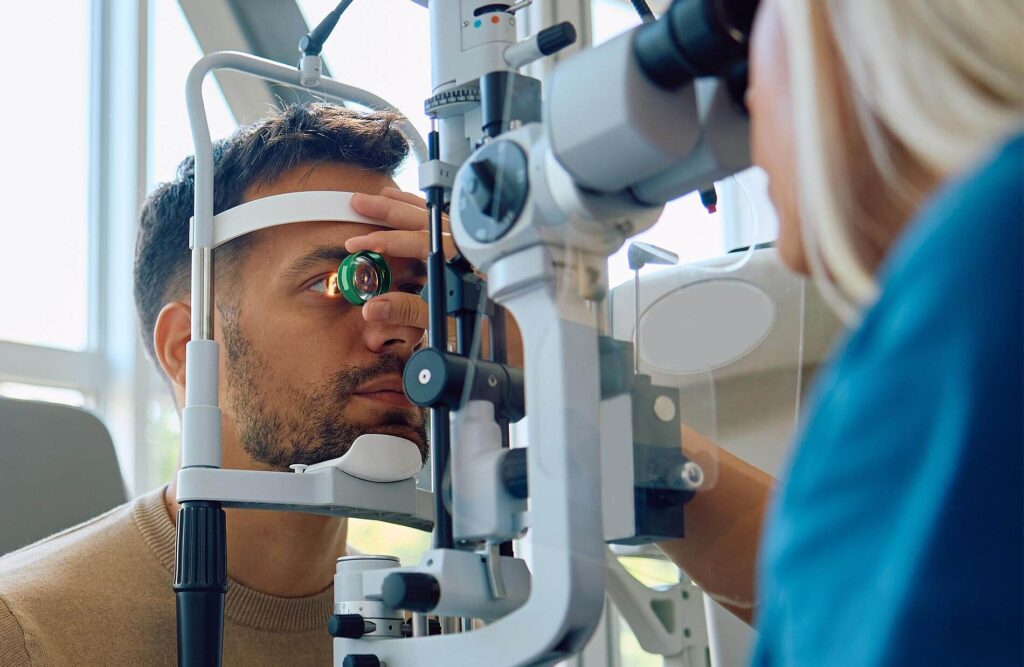
Retina and ophthalmology clinics rely heavily on advanced imaging systems like OCT (Optical Coherence Tomography) to diagnose and monitor eye conditions accurately.
However, many clinics in Tampa Bay overlook a critical factor:
Your IT infrastructure directly affects imaging performance.
Even the most advanced diagnostic equipment can experience delays, crashes, and workflow disruptions when supported by outdated or poorly optimized IT systems.
What proactive IT actually looks like in a retina specialist clinic
Common IT Issues That Affect Imaging Systems
If your clinic is experiencing any of the following, IT is likely the cause:
• Slow image loading times
• System crashes during scans
• Delayed data transfers
• Storage limitations
• Integration issues with EMR systems
These issues disrupt workflow and can impact patient outcomes.
Secure imaging devices and diagnostic equipment
Why Ophthalmology Clinics Have Unique IT Needs
Unlike general businesses, retina clinics handle:
- High-resolution imaging files
- Large data storage requirements
- Real-time diagnostic workflows
This requires a specialized IT setup — not generic support.
How proactive IT improves EMR performance in ophthalmology clinics
How to Optimize IT for Imaging Performance
To ensure reliable imaging systems, clinics should focus on:
- High-performance network infrastructure
- Optimized data storage solutions
- Fast and secure data transfer systems
- Regular system maintenance and monitoring
- Integration between imaging and EMR platforms
Healthcare Cybersecurity Best Practices
The Competitive Advantage of Specialized IT
Clinics that invest in optimized IT systems experience:
- Faster patient throughput
- Improved diagnostic efficiency
- Reduced system failures
- Better overall patient experience
Specialized managed IT services for retina clinics
FAQ
Why are OCT imaging systems running slowly in retina clinics?
Slow OCT imaging systems are often caused by IT infrastructure issues such as outdated servers, insufficient bandwidth, poor network configuration, limited storage capacity, or inefficient data transfer systems. Retina clinics process large imaging files that require high-performance networks and optimized storage solutions.
How does IT infrastructure affect OCT imaging performance?
Your IT infrastructure directly impacts how quickly imaging systems load, transfer, and store diagnostic data. Weak network performance, outdated hardware, or poor EMR integration can cause image delays, crashes, and workflow disruptions that affect both staff productivity and patient care.
Why is EMR integration important for ophthalmology clinics?
EMR integration allows imaging systems and diagnostic devices to communicate efficiently with patient records and clinical workflows. Poor integration can lead to delayed uploads, duplicate data entry, workflow interruptions, and reduced provider efficiency.
How do network bottlenecks affect diagnostic workflows?
Network bottlenecks slow down image transfers, increase loading times, and create delays in accessing diagnostic data. This can reduce patient throughput, frustrate providers, and negatively impact the overall patient experience in busy retina clinics.
What type of storage solutions do ophthalmology clinics need?
Ophthalmology clinics require scalable, high-speed storage solutions capable of handling large imaging files from OCT systems, retinal photography, and diagnostic equipment. Proper storage infrastructure ensures faster retrieval times, improved performance, and secure long-term data management.
If your imaging systems are slow or unreliable, the issue isn’t the equipment — it’s your IT.
Specialized ophthalmology IT support in Tampa Bay ensures your systems perform at the level your clinic requires.