


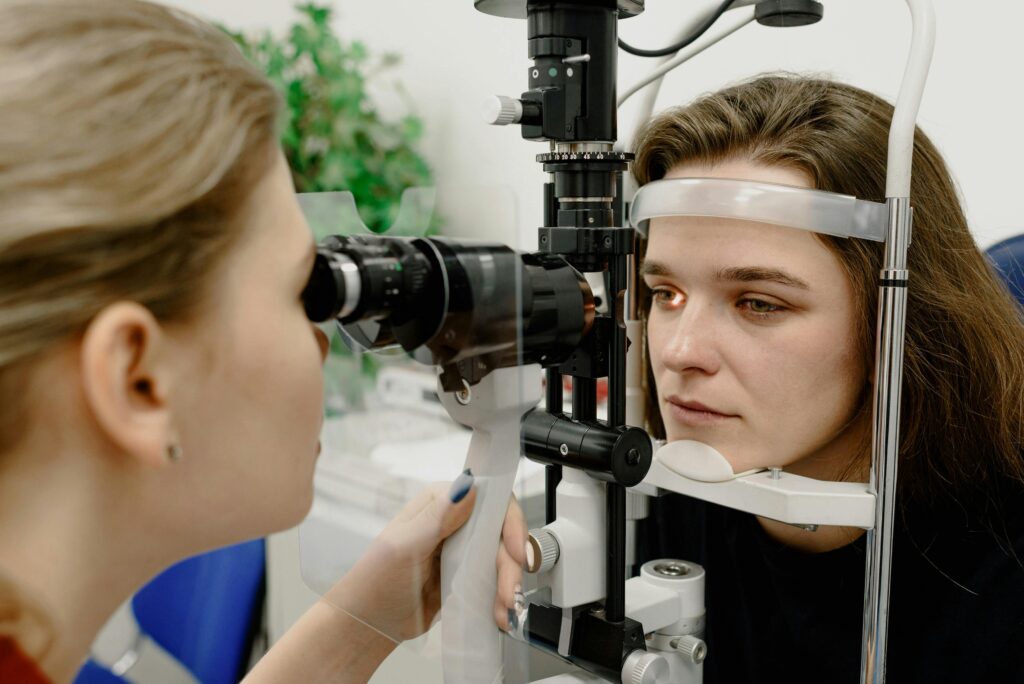
Retina and ophthalmology clinics in Tampa Bay can reduce unplanned downtime by 30–50% by replacing reactive IT support with a proactive alignment model. In many specialty practices across Hillsborough, Pinellas, Sarasota, and Pasco Counties, recurring EMR slowdowns, imaging system instability, and cybersecurity gaps are not caused by single failures — they stem from ongoing technology misalignments. In this real-world example, a multi-provider retina clinic transitioned from ticket-based IT support to a proactive Technology Alignment Manager (TAM) and vCIO-led strategy. Within 6–9 months, the clinic experienced fewer disruptions, improved EMR performance, stronger backup reliability, and predictable IT budgeting. Proactive retina specialist IT support in Tampa Bay focuses on preventing workflow interruptions before they impact patient care.
Before — The Retina Clinic’s Technology Challenges
Why Downtime Hits Retina Clinics Harder Than Other Practices
Explain:
- High patient throughput
- Imaging-heavy workflows
- Diagnostic dependency
- Surgical coordination
Clinical Impact
- Delayed patient appointments
- Imaging backlog
- Provider productivity loss
Financial Impact
- Revenue per hour loss
- Staff idle time
- Rescheduling overhead
Compliance Risk
- Data integrity issues
- Audit exposure
- Security incident escalation
BEFORE: THE CLINIC’S CHALLENGES
Common Technology Challenges in Retina & Ophthalmology Practices
- Frequent EMR slowness
- Intermittent outages
- Imaging system instability
- Inconsistent workstation setup
- No standardized patching process
- Backup uncertainty
- No roadmap or planning
THE ROOT CAUSE: TECHNOLOGY MISALIGNMENT
Why Most Downtime Isn’t a Hardware Problem
Explain:
- Configuration drift
- Legacy integrations
- Device sprawl
- Vendor overlap
- Lack of structured oversight
Workflow Misalignment
- Front desk vs clinical
- Imaging integration delays
- Server resource bottlenecks
Security Misalignment
- Access control gaps
- Unpatched firmware
- No structured review cadence
THE PROACTIVE MODEL
What Proactive IT Actually Looks Like in a Retina Clinic
Transition away from theory into structure.
The Technology Alignment Manager (TAM)
Expand on:
- Dedicated role
- Monthly reviews
- Device audits
- Imaging system oversight
- EMR configuration validation
- Security posture review
Defined Retina-Specific Standards
Explain:
- EMR configuration standards
- Imaging device segmentation
- Backup validation requirements
- Access control framework
- Firmware lifecycle tracking
TURNING AUDITS INTO STRATEGY
How a vCIO Converts Findings into a Roadmap
Explain:
- Risk prioritization
- Budget forecasting
- Upgrade planning
- Lifecycle management
- Business alignment
Predictable IT Budgeting
- Eliminates surprise costs
- Aligns with growth
- Reduces emergency spend
THE RESULTS
Results After 6–9 Months
Break into sub-points:
Downtime Reduction
- 40% fewer unplanned outages
- Reduced recurring tickets
EMR Stability
- Improved response time
- Fewer integration disruptions
Backup Reliability
- 99%+ backup success rate
- Monthly restore testing
Security Posture
- Audit-ready documentation
- Reduced phishing exposure
- Defined review cadence
Leadership Confidence
- Clear roadmap
- Budget predictability
- Defined accountability
WHY THIS MATTERS FOR TAMPA BAY RETINA CLINICS
Retina Specialist IT Support in Tampa Bay Requires Proactive Alignment
Include:
- Hillsborough
- Pinellas
- Sarasota
- Pasco
Explain:
- Growing ransomware targeting healthcare
- Increasing regulatory pressure
- Competitive patient experience expectations
HOW TO EVALUATE YOUR OWN CLINIC
Quick Self-Assessment for Retina Clinics
Ask:
- Do we track EMR uptime monthly?
- Are imaging devices included in patch management?
- Are backups restore-tested?
- Is someone accountable for alignment reviews?
- Do we have a multi-year technology roadmap?
FAQ
What is proactive IT for retina clinics?
Proactive IT includes structured monthly reviews, technology standardization, cybersecurity oversight, and strategic IT planning rather than reactive ticket response.
How much downtime reduction can proactive IT achieve?
Many retina clinics see 30–50% reduction in unplanned downtime within the first year.
Why is proactive IT important for ophthalmology clinics?
Because workflow disruptions directly impact patient care, imaging schedules, and revenue.
Wonder if Proactive IT Would Reduce Downtime in Your Retina Clinic?
Request a Technology Alignment Review to identify misalignments affecting your EMR systems, imaging devices, and cybersecurity posture.